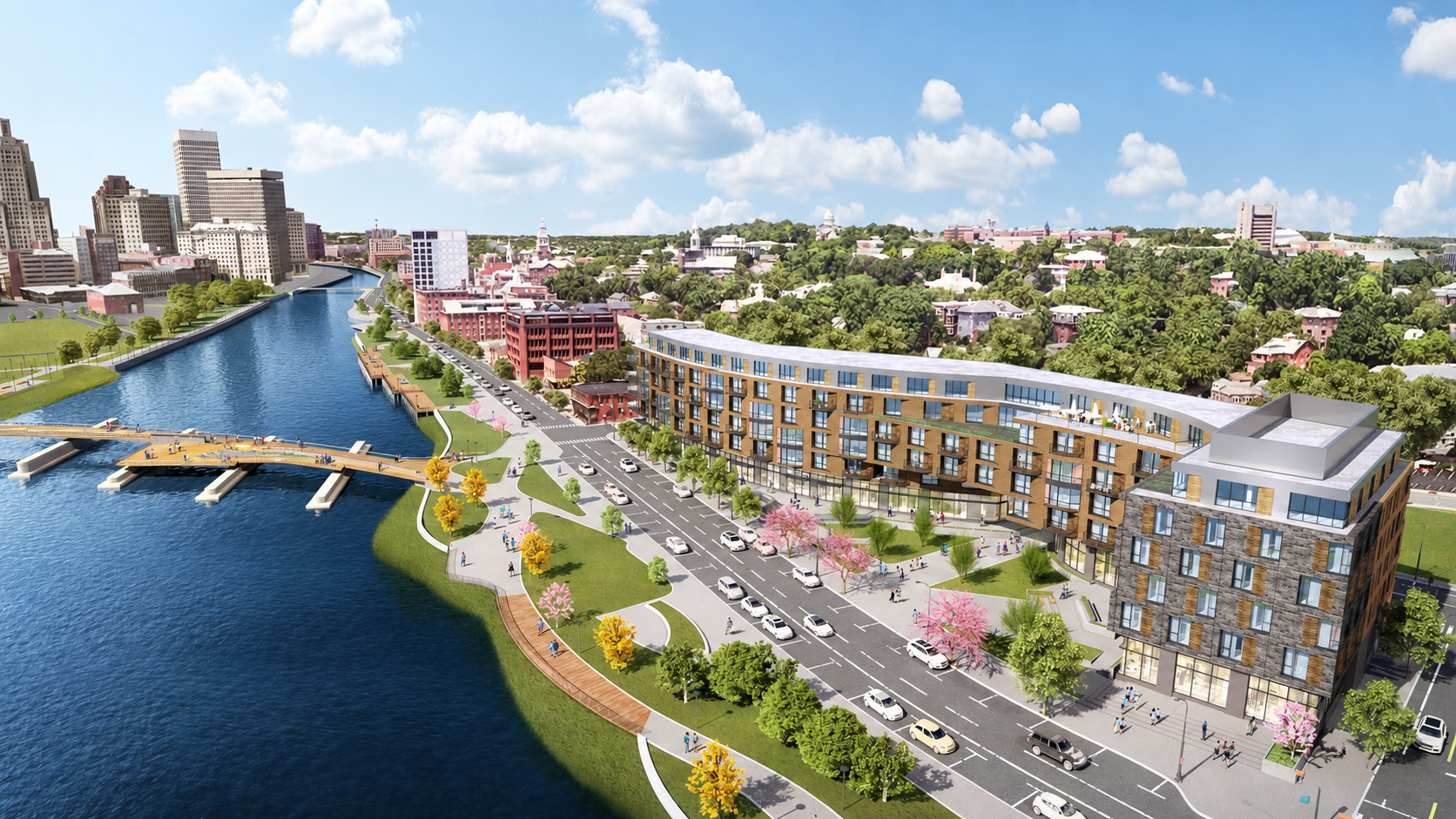
Open enough to explore, rigorous enough to deliver.
Our deeper understanding of place begins with relationships and a fluency across development patterns, political realities, market pressures, community expectations, and physical conditions.
Experience, instinct, and judgment help us discern what matters.
Technology widens that field of view — helping us absorb more information, test more paths, and see connections earlier. That intelligence enters early, before assumptions become fixed -and stays with the project, informing the choices that follow.
Architecture, Interior Design, and Urban Planning are how we give that thinking form — not where our role begins or ends.
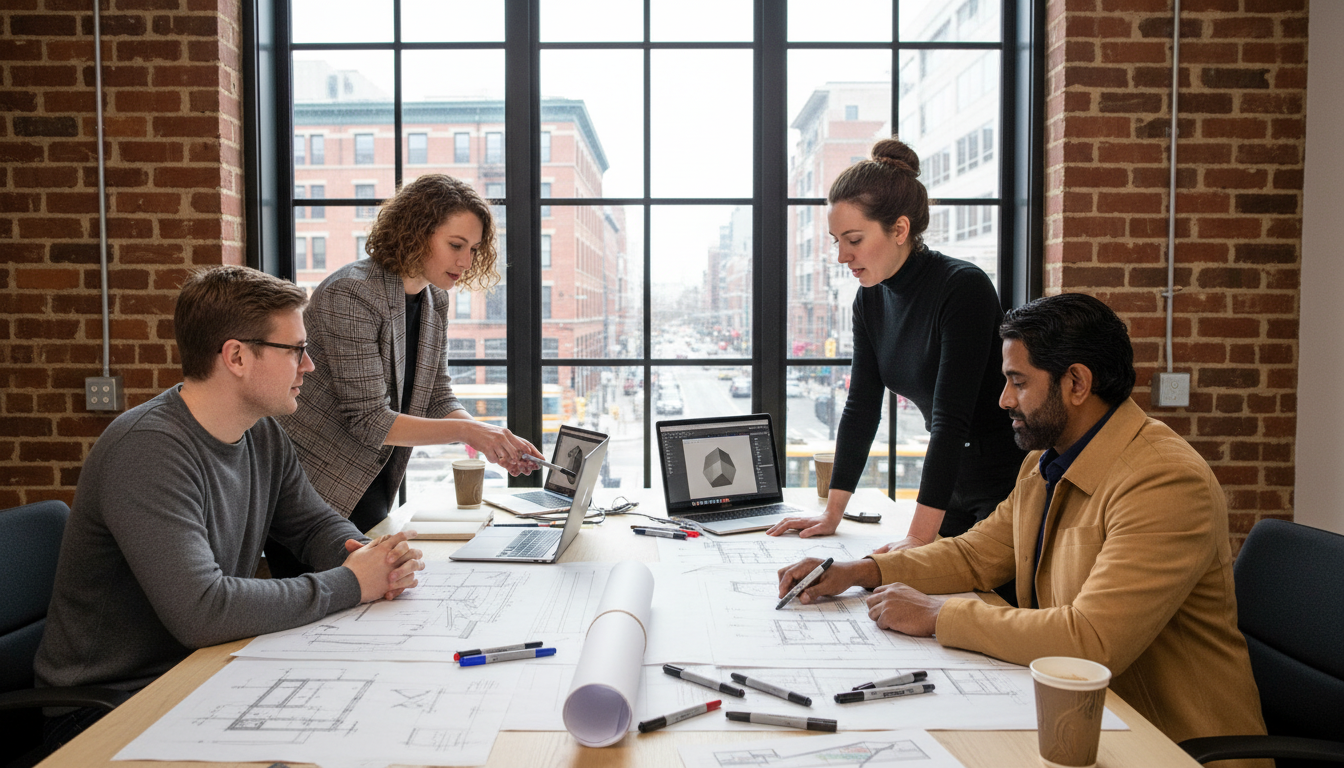
What we bring to the table.
Integrated Thinking
Development + Asset Strategy
Feasibility + Scenario Exploration
Zoning + Entitlement
Market + Community
Insight Building Science + Performance
Technology + Applied Intelligence

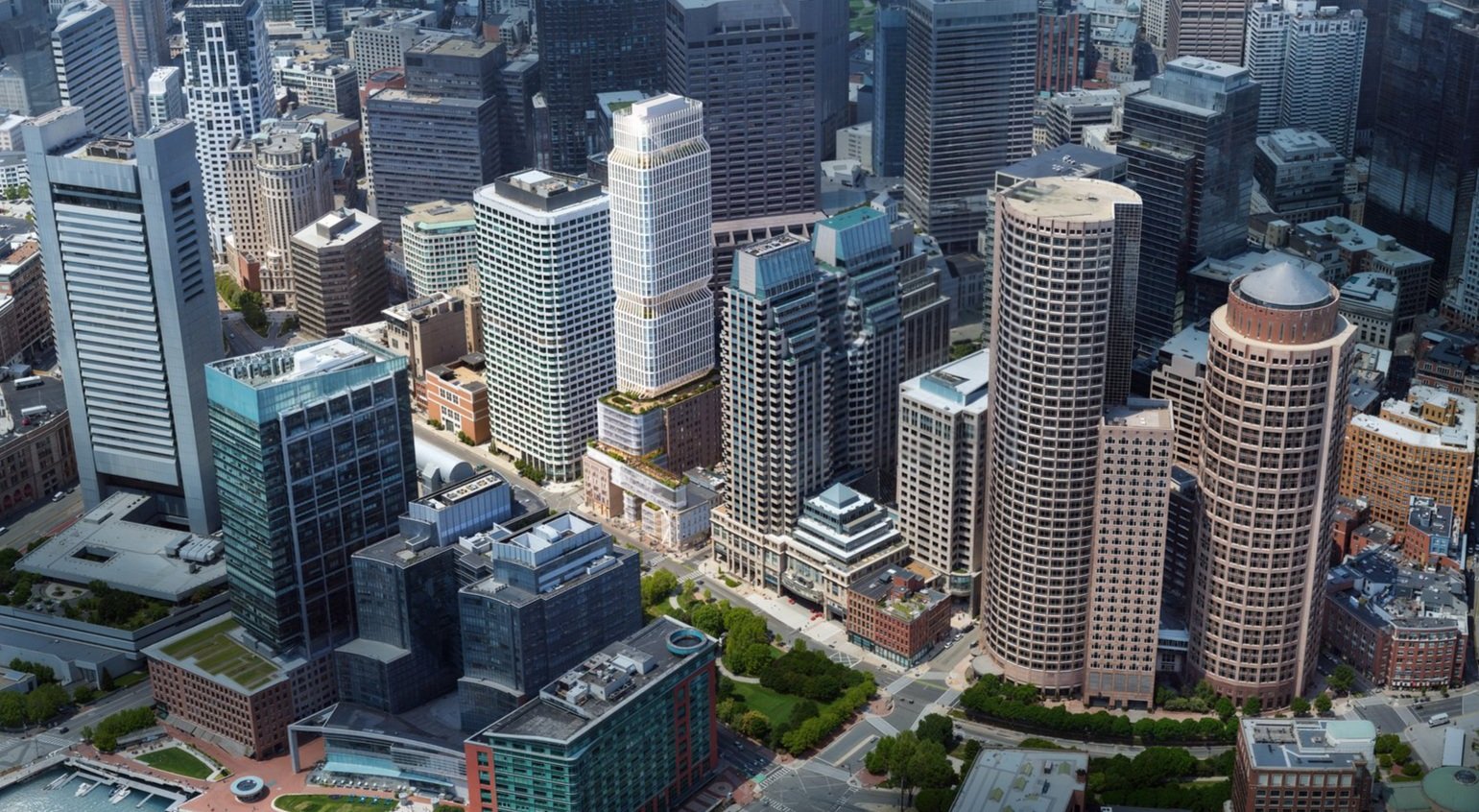
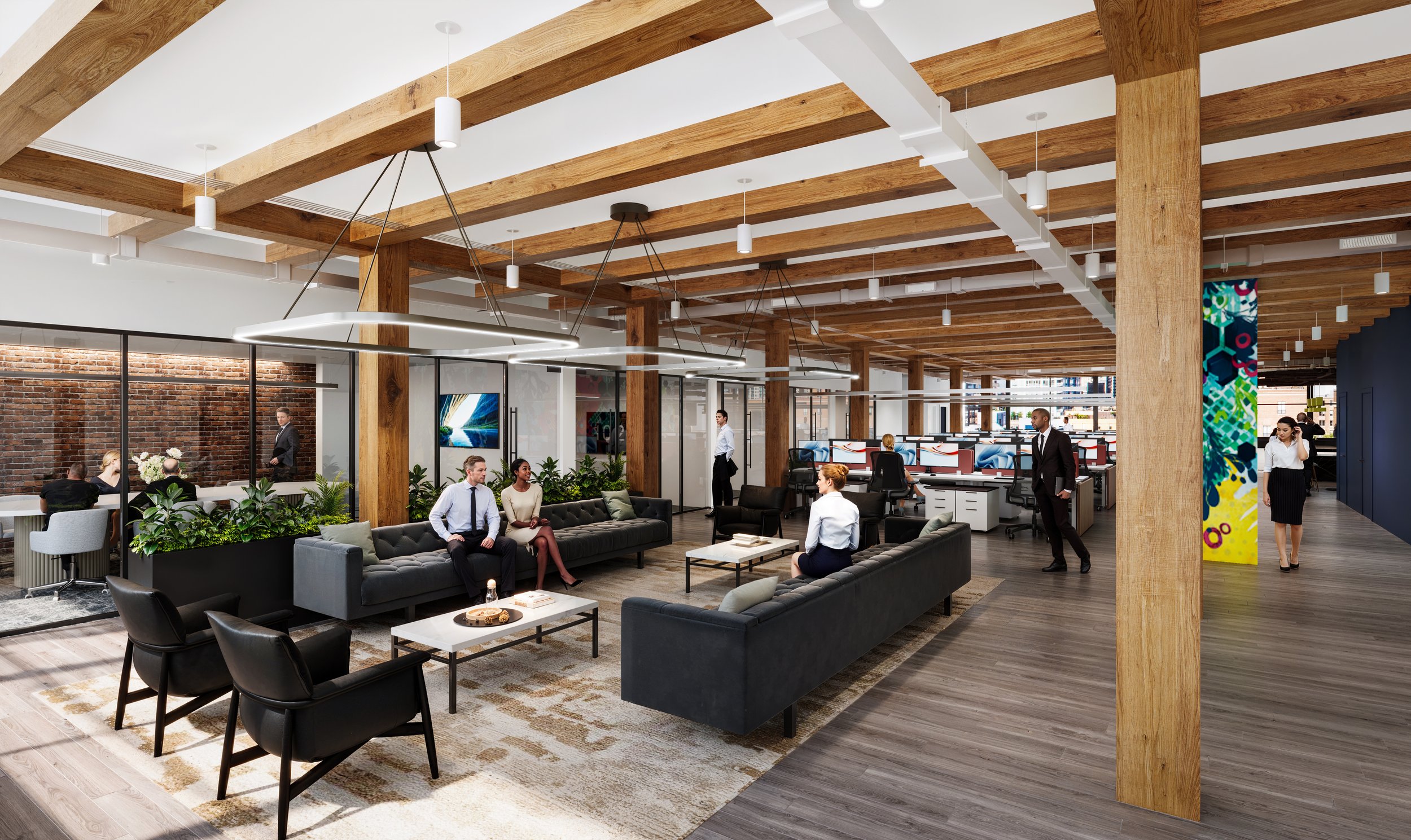
How it all comes together.
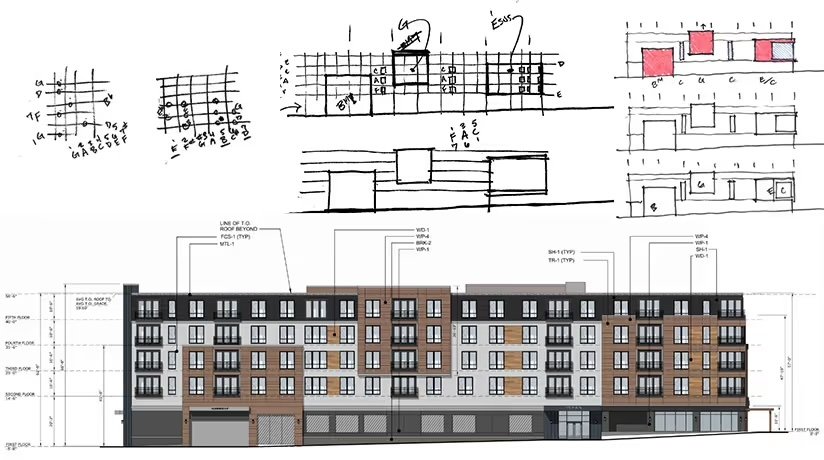
We bring together research, creativity, technical expertise, and technology to explore possibilities early — through sketches, studies, alternatives, diagrams, and visualization — testing ideas, revealing connections, and refining what works.
No signature style. Just substance.
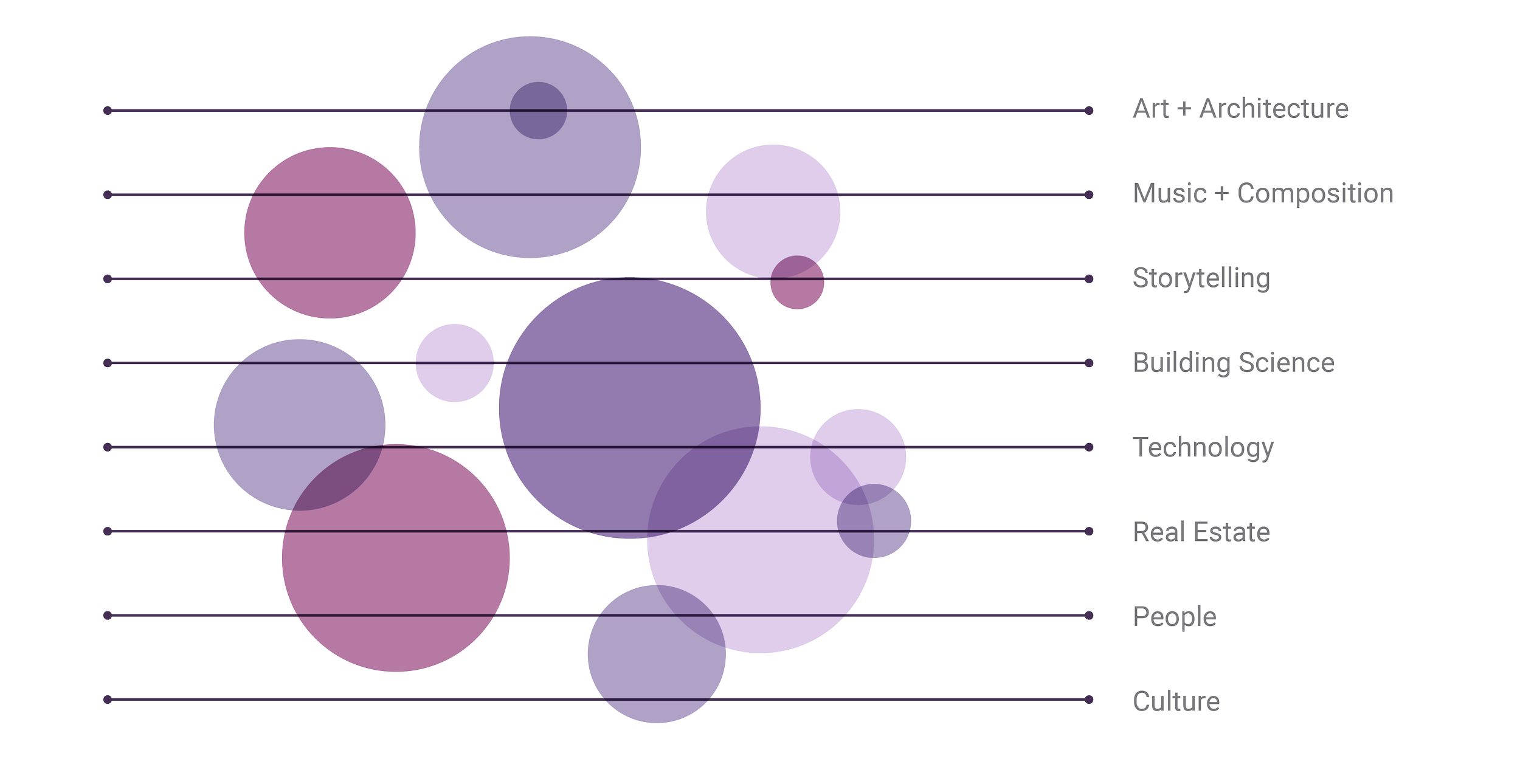
These influences give us more ways to look at what is already there — and to see relationships, tensions, and possibilities that may not have been visible at the start. We test, learn, look again, and let the project take shape through what we uncover.
The result is not a predetermined aesthetic, but a response with its own character and story — artful, meaningful, memorable, and distinctly of its place.
The values we hold to.
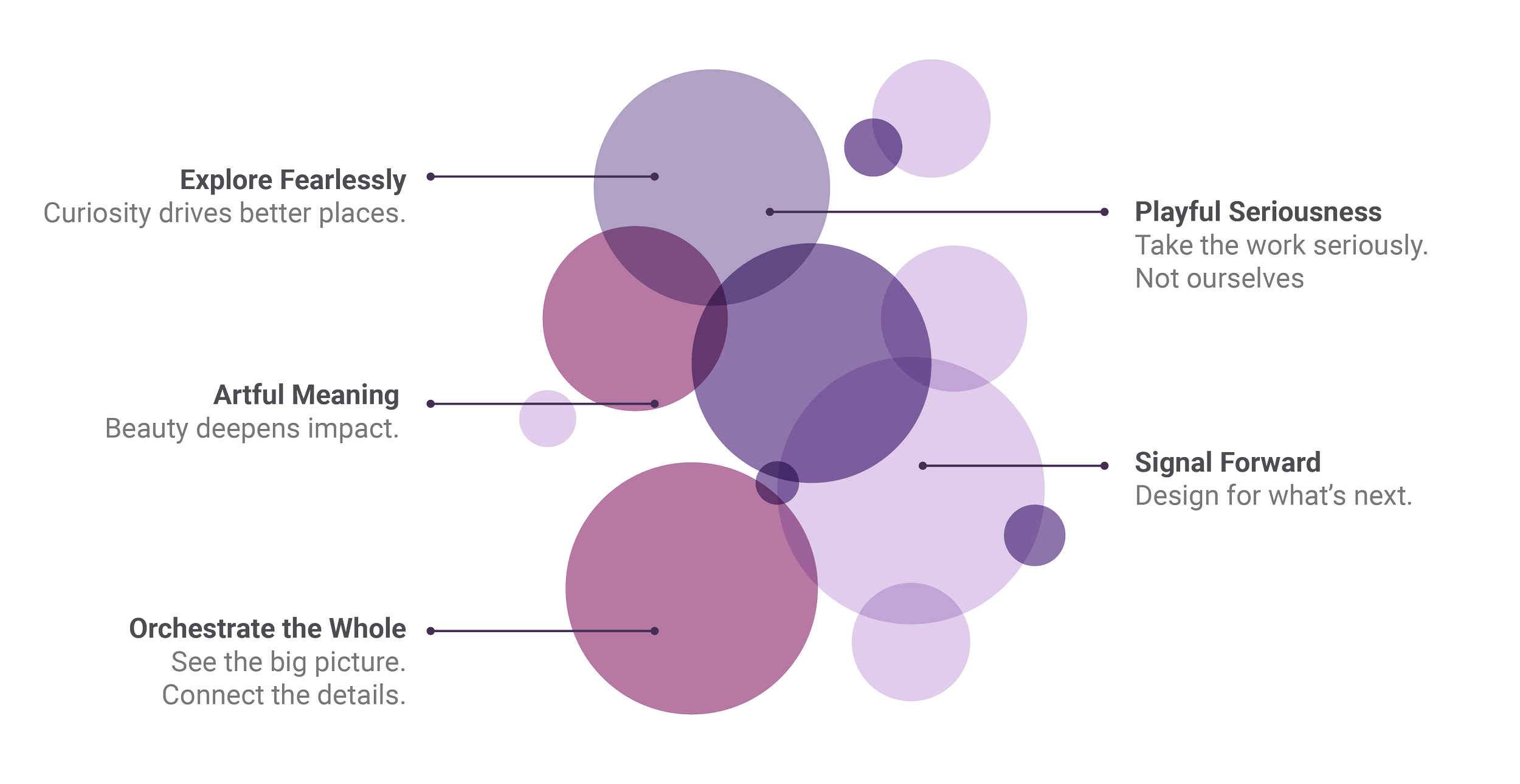
Every project starts with a set of knowns — place, purpose, client, community, context, constraint.
To those, we bring a wider mix of influences that shape what we notice, the questions we ask, and the connections we make — creative, technical, cultural, and human.
Every part counts.
What we create has consequences beyond the project — in what it gives back, what it carries forward, and the lives it touches along the way.
-
Sustainability is not simply about using less. It is about seeing more value in what already exists — and making better choices for the future.
Buildings, materials, systems, land, and infrastructure all carry resources and investment worth understanding before deciding what comes next. We look for what can be retained, improved, reused, or adapted — extending useful life while improving performance and reducing unnecessary impact.
-
We consider wellbeing through the whole human experience of a place.
Physical and mental health matter, but so do emotional wellbeing, sensory comfort, social connection, movement, and access to nature. A place should do more than perform well. It should support everyday life and become somewhere people feel good being, using, and returning to.
That continuum extends across site, landscape, building, and interior. We design with an awareness that people encounter places differently — creating more healthful, natural, and restorative environments that support movement, connection, comfort, and ease.
-
We value what we learn from those who shape a project — and those who will live with its outcome.
Clients, communities, users, and other stakeholders bring different needs, knowledge, and expectations.
We make room for those perspectives early — when they can still shape the direction, not simply react to it.
For SPARC, equity is about more than representation. It is about voice, access, influence, and opportunity — in the projects we shape, around the table where decisions are made, and within our own practice as it grows.
As a minority-owned practice, that perspective informs how we build our team, create opportunity, form partnerships, and make space for a wider range of voices to shape what we do.